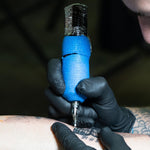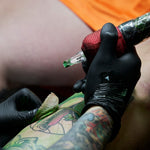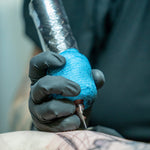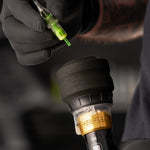

Every corner of the internet is flooded with $50 "all-in-one" kits that promise to make you a tattoo master overnight. But if you talk to any professional working in a reputable shop, they'll tell you this: those cheap tattoo kits are unreliable. They’re not made for durability or consistency, and that lack of quality shows up fast in your work.
If you want to build a real, lasting career as an artist, you have to invest in a solid foundation. Here’s a checklist of the must-have gear you need to build your first professional setup.
1. Choose an ultra-reliable machine
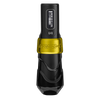
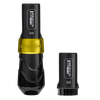
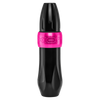
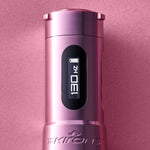
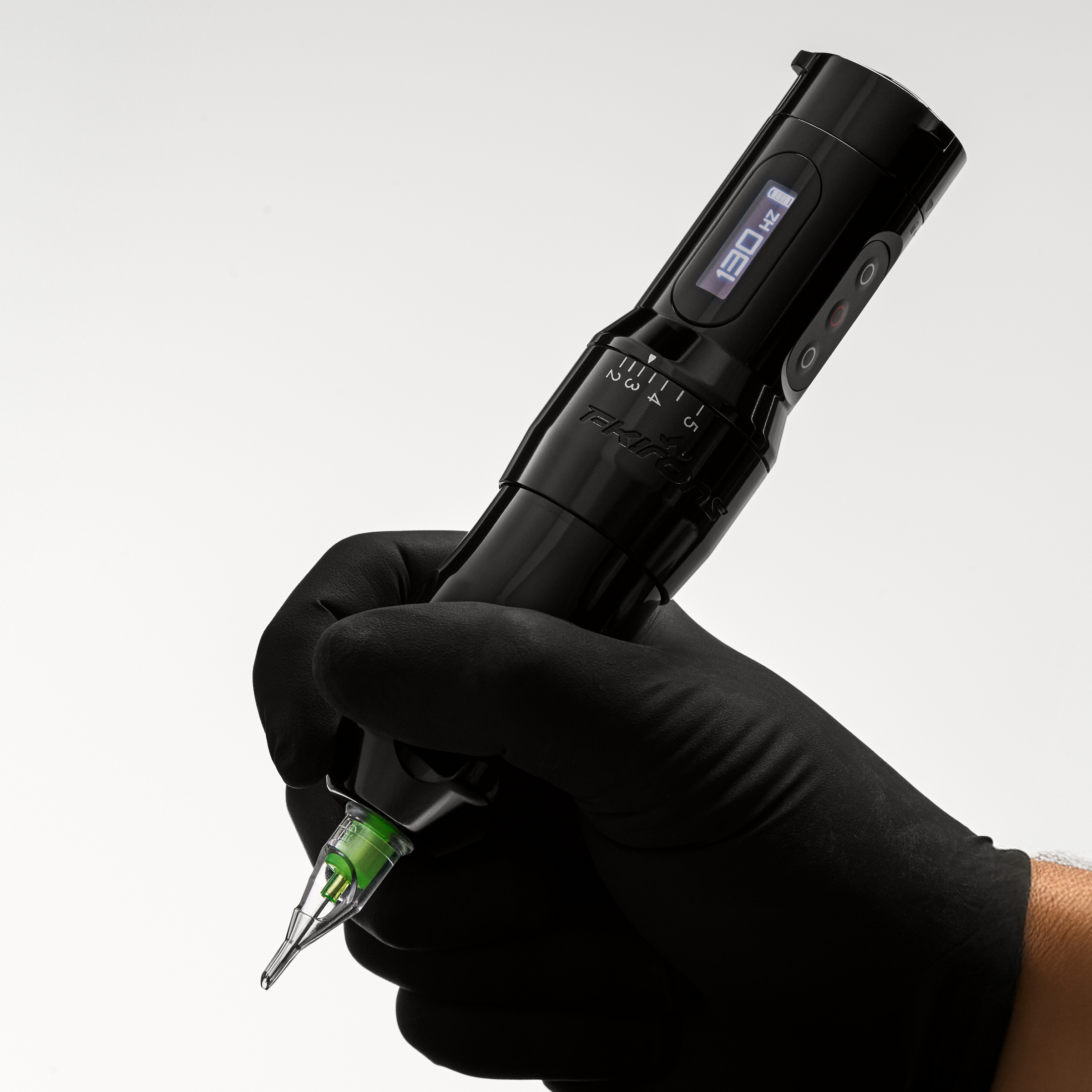
As a beginner, you don't need a million complicated settings. Instead, what you need is something that runs smoothly every single time you hit the switch. Starting with a reliable, stripped-back tool makes all the difference. For instance, the FK ONEOpens a new window is built for this stage of your journey. It cuts out the confusing tech menus and gives you pure, consistent power at an accessible price. This lets you focus entirely on mastering your technique.
Quick Tip: If you're still on the fence and eyeing those cheap online kits, do yourself a favor and read our breakdown on why you should avoid cheap tattoo machines and what to expect from themOpens a new window. Saving a few bucks now isn't worth ruining a client's skin or stalling your progress.
2. Pick a stable power supply or wireless setup, and prioritize consistent voltage
Your machine is only as good as its power supply.. If your voltage drops or fluctuates while you're pulling a line, your needles won't hit the skin evenly, and that's how you end up with choppy lines. So, what are your options? You have two main routes to take:
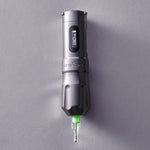
- The Wireless Route: With detachable battery packs, you get total freedom of movement. No cords dragging across your clean tray or pulling at your wrist—it's no wonder so many new artists love this option.
- The Traditional Wired Route: If you go classic with a digital power supply box and a clip-cord, you’ll get rock-solid reliability. You never have to stress about a battery dying in the middle of a session. On the flip side, you will need to get used to managing your cords.
3. Use quality grips—experiment with different tapers/diameters and focus on comfort and control
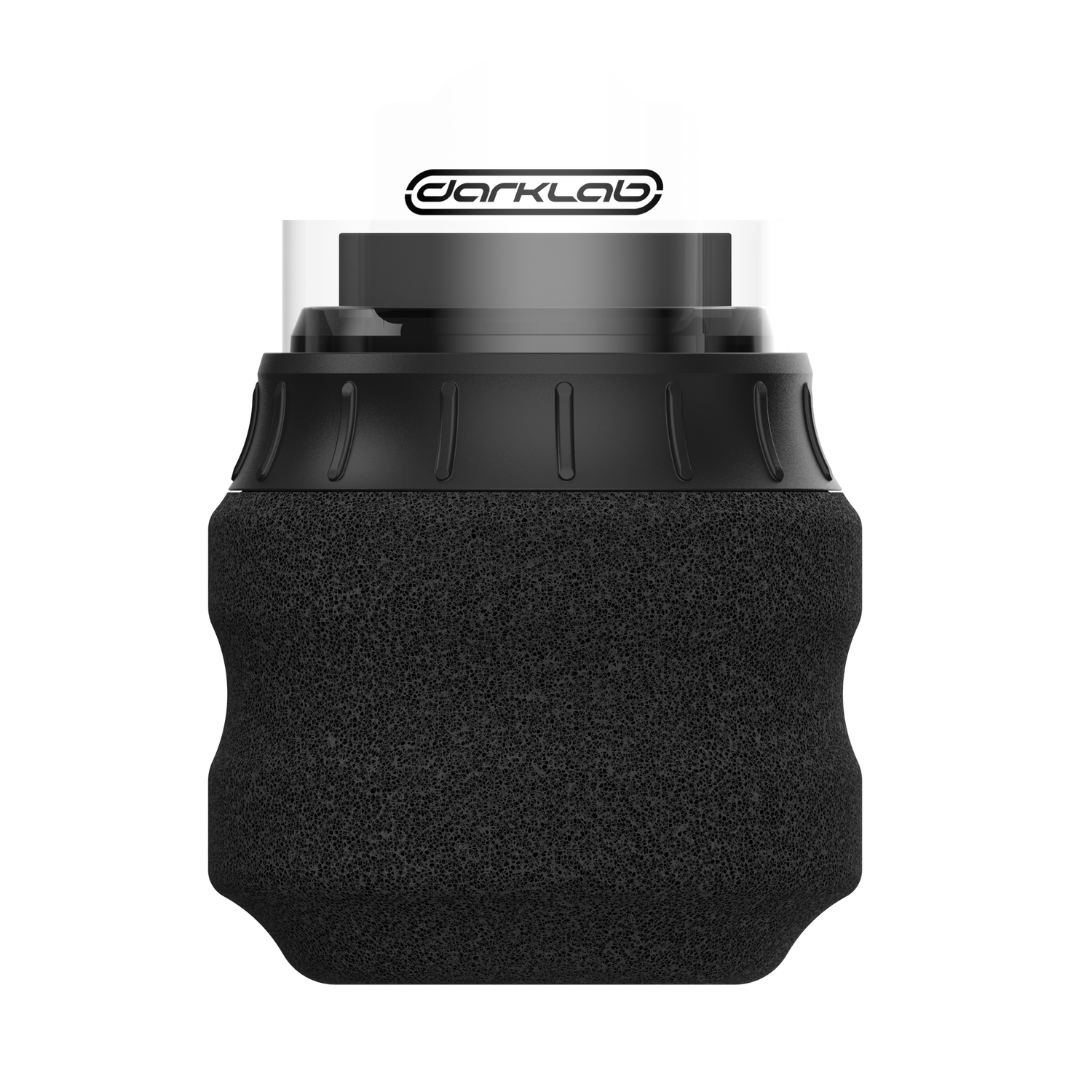
The grip is your direct connection to the machine, and hand comfort is everything in this game. Tattoo gripsOpens a new window come in all kinds of shapes, weights, and diameters, so everyone's hands prefer something different.
If you want to maximize efficiency while keeping your station clean, look into specialized options like the Ergo Shield Disposable GripsOpens a new window. These actually have the barrier film built directly into the grip, which means you can attach your grip and wrap your machine all in one go. It cuts your setup time down to ten seconds flat, making it an incredible time-saver for new artists trying to master their sanitation routine.
- Taper and Diameter: Some artists love thin grips for total control over tiny details. Others swear by thick, ergonomic grips because they keep their hands from cramping during long sessions.
- Disposable vs. Autoclavable: As a beginner, it's smart to start with disposable cartridge grips. They come pre-sterilized in individual blister packs, so you can just throw them away when you're done and keep your cleanup simple.

4. Choose Quality Tattoo Needles and Inks i
Because these items interact directly with the client's bloodstream, you should absolutely never buy knock-offs or unbranded supplies.
|
Supply Item |
Why Quality Matters |
What to Look For |
|
Sterile Needle Cartridges |
Cheap needles can wobble, dull quickly, or spit ink. |
Look for sterile cartridges with internal safety membranes to stop fluids from leaking into your machine. |
|
Professional Tattoo Inks |
Bad ink heals poorly, fades to weird colors, and causes allergic reactions. |
Stick to trusted, industry-standard pigment brands that list their ingredients clearly. |
5. Gather your essential medical supplies
Tattooing is basically a mini medical procedure. Even if you’re only practicing on fake skin, you’ve got to start building those sterile habits from day one.
If you’re already apprenticing, chances are some shops will hand you these medical staples. But here’s the thing: you still need to know exactly what they are and how to use them.
- Nitrile Gloves: Pick up a few boxes in your exact size. Nitrile is tougher than latex and won’t trigger any allergies for you or your client.
- Barrier Protection: You’ll want barrier film and plastic machine bags to cover every single surface you might touch during a session. As a rule of thumb, if you touch it with dirty gloves, wrap it up.
- Chemicals and Cleansers: Always have plenty of green soap for wiping down the skin while you work. And don’t forget medical-grade surface disinfectants to scrub your station clean before and after every single tattoo.
6. Practice solid habits from day one
You could buy the fanciest gear out there, but let’s be honest—it won’t make you a pro if your workflow is all over the place.
What really separates amateurs from pros? It’s not the gear—it’s things like excellent hygiene, regular machine maintenance, and a strict cleanup routine. Slow down when you’re setting up your station, learn how to prevent cross-contamination, and always respect your tools. And seriously, never rush your setup or cleanup. Taking your time is the best way to protect yourself and your clients.

Build Your Tattoo Setup Gradually
Don't feel pressured to buy every single bell and whistle today. Focus on the core essentials, get comfortable with them, and upgrade your kit as your skills grow.
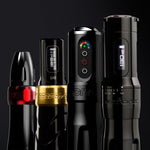
When you feel ready to step away from the toy kits and start building a real setup, take a look through the complete lineup of FK Irons tattoo machinesOpens a new window to find the right tool for your specific style and hands.