
Tattoo machines–when they’re made well–are built to last, but no component lasts forever. Batteries lose capacity, motors experience wear, and grips and other replaceable parts may need attention over time. That doesn’t necessarily mean it’s time for a new machine.
Understanding what wears out, what can be maintained or replaced, and what affects your machine’s lifespan can help you keep it performing reliably for longer. Here’s what to know about tattoo machine longevity and how to get the most out of your setup.
How Long Does a Tattoo Machine Actually Last?
There's no universal expiration date for a tattoo machine. A well-built machine can run for years, but how long depends on its design and build quality, how often you use it, how well you maintain it, and how each component holds up over time.
A machine rarely fails all at once. More often, one part wears out first, like a battery losing capacity or a grip loosening with use, and it starts to feel like the whole machine is done. In reality, that's usually a single-component issue, not a verdict on the machine itself. The real question isn't how many years a machine should last. It's what's wearing down and why, so you know when a quick fix will do and when it's time to replace something.

A Tattoo Machine Isn't One Wear Item
Every tattoo machine is made up of separate components, and they don't all wear at the same rate. Some can hold up for years of regular use, while others may need attention or replacement sooner.
- Motor: The motor drives the needle through thousands of cycles every minute, putting it under constant repetitive stress. A quality motor can perform reliably for years, but regular use will eventually cause wear.
- Battery: Rechargeable batteries gradually lose capacity with use. Over time, you may notice shorter runtimes or the need to charge more often, even while the rest of the machine continues performing normally.
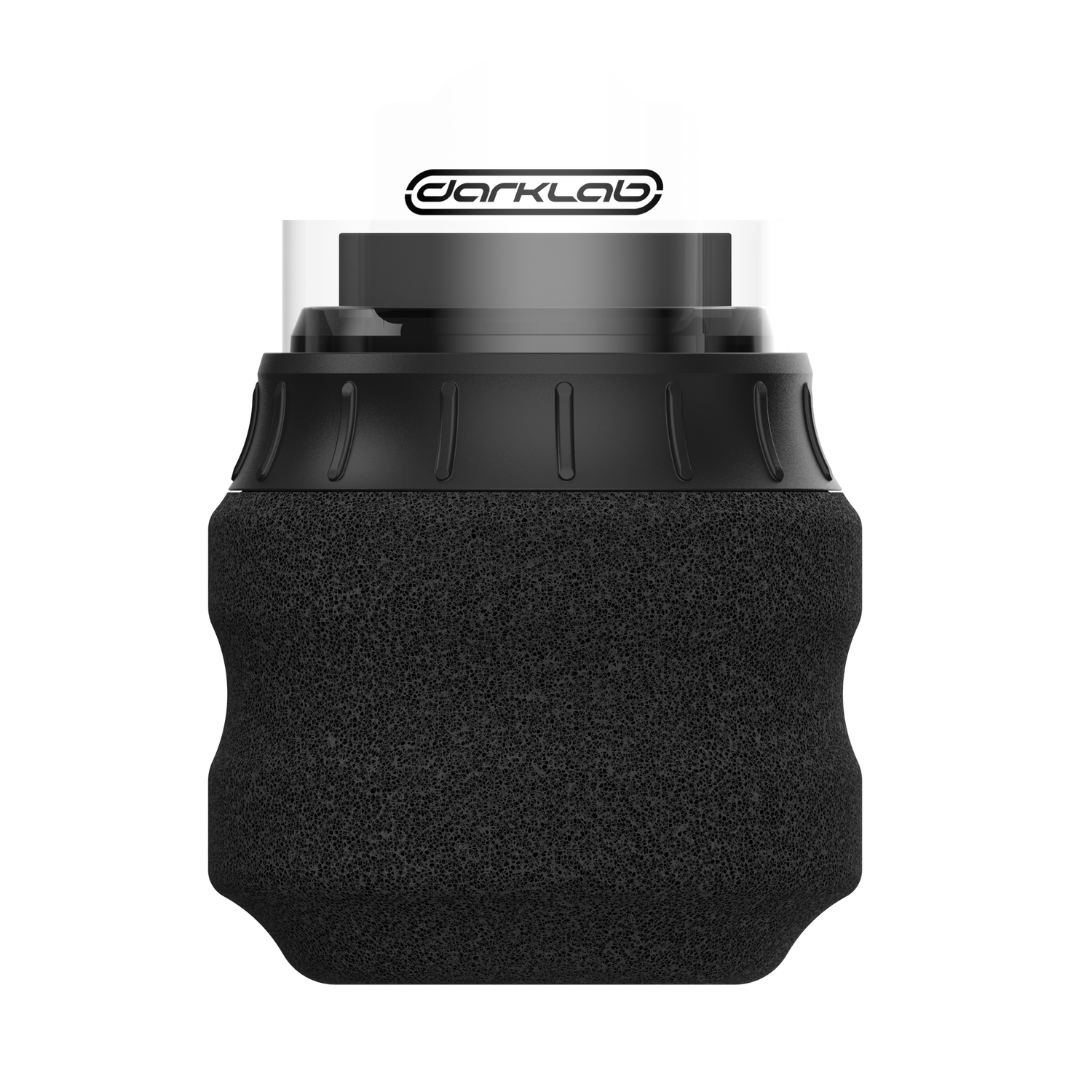
- Grip: Repeated setup, adjustment, cleaning, and handling can gradually wear down threads, seals, and other contact points. If a grip starts feeling loose or isn't adjusting as smoothly as it used to, the issue may be isolated to the grip itself.
- Electronics: Displays, buttons, charging ports, connectors, and internal electronics can also develop problems over time. Moisture, debris, drops, and other impacts can affect these components without necessarily affecting the motor or drive system.
Usage Matters More Than Calendar Age
Two machines bought on the same day can age at completely different rates. How often, and how aggressively, you use your machine both contribute to how quickly it wears down over time. For example, a tattoo machine running six hours a day, five days a week takes on far more cycles, heat, and vibration than one that sits as an occasional backup. Consequently, that daily driver is going to wear faster and require more maintenance and care.
All of the following factors contribute to how quickly your machine’s components “age.”
- Session length: Long sessions keep the motor running continuously with less time to cool between clients, which adds up faster than several short appointments.
- Workload: Bold lining and heavy color packing put more resistance per pass on the machine than fine detail work, speeding up wear on the motor and drive system.
- Travel: Convention circuits and guest spots = more setups and teardowns. Plus, exposure to bumps and temperature swings during interstate or international travel can profoundly affect a tattoo machine more than the stable environment of a studio.
- Impact exposure: A single hard drop can damage internal components you can't see, even if the machine still looks fine afterward.
Battery Lifespan vs. Machine Lifespan
The battery is usually the first component to show its age in a wireless setup, and that's normal. This is especially true if you’re using a generic battery from an uncertified vendor. Cheap batteries can get the job done, but they’re not made to be reliable for the long term.
However, whether they’re pricy or cheap, rechargeable batteries lose capacity a little at a time with every charge cycle. A battery pack that once ran a full session on one charge may need a top-up halfway through after a year or two of use. That decline comes from basic battery chemistry, not anything happening inside your tattoo machine’s motor or drive system. A shorter runtime is a battery problem. It's not a sign the machine itself is wearing out.
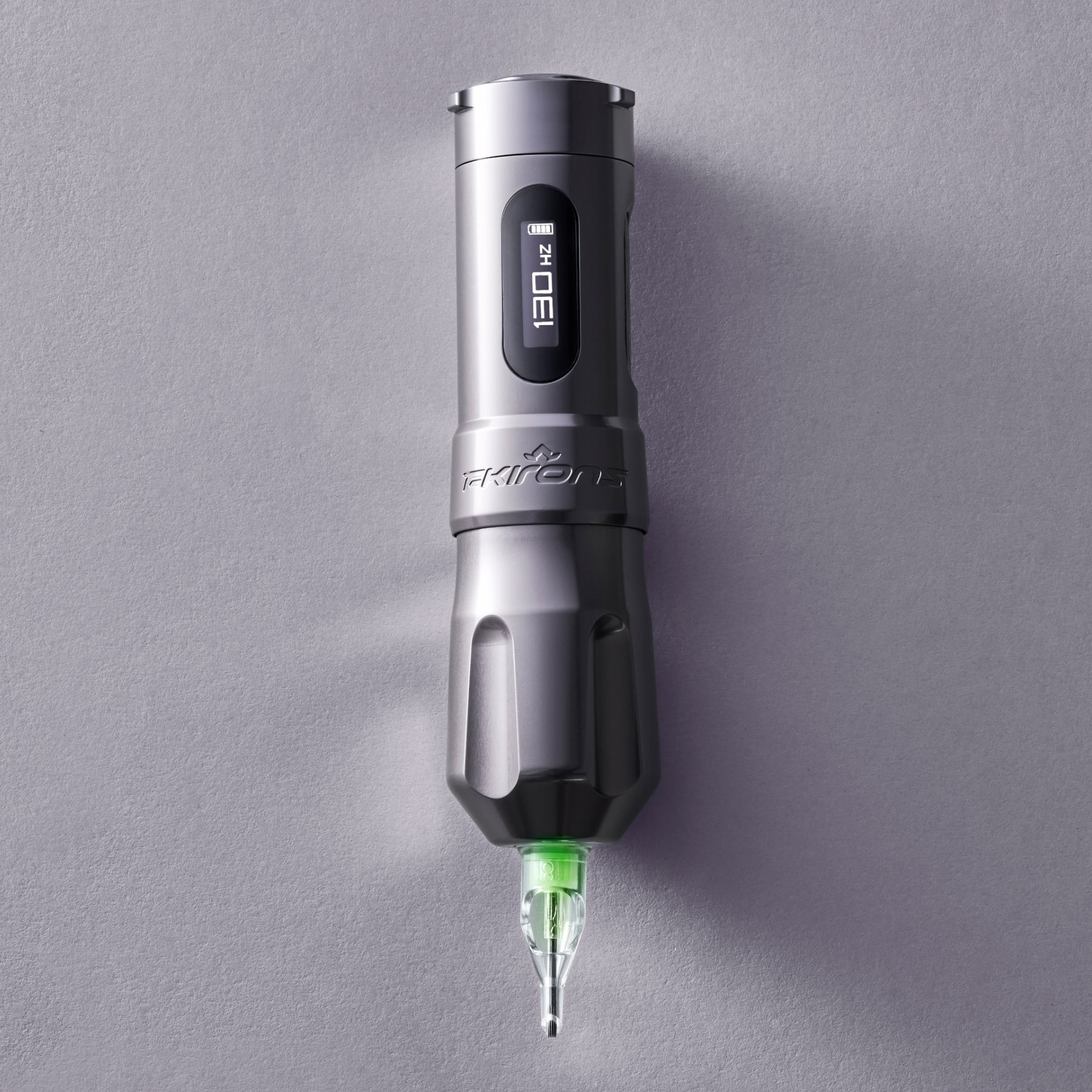
This is where a replaceable, drop-in battery setup changes the equation. Instead of swapping machines mid-session because the battery pack won't hold a charge, you swap in a fresh battery pack and keep working. Our FK One platform is built around exactly this: the FK One Update and FK One Adjust both take a drop-in replacement batteryOpens a new window, so a tired pack never has to mean a tired machine.
Budget for battery replacement the same way you budget for cartridges or grips, and let the rest of your machine keep doing its job.
Signs of Normal Aging vs. Signs Something's Wrong
Not every change in performance means trouble. Some wear is expected. Some is a signal to look closer.
|
What's Normal |
What Needs a Closer Look |
|
Shorter battery runtime after months of regular charging |
Runtime dropping suddenly or dramatically, a battery that won't charge fully, or unexpected shutdowns despite showing a charge |
|
A grip that needs re-tightening more often over time |
A grip that won't stay secure, has excessive play, or can no longer be tightened or adjusted normally |
|
Minor cosmetic wear on the housing or finish |
Cracks, dents, loose housing, damaged threads, or other physical damage that affects fit or operation |
|
Small changes in how the machine sounds or feels as components break in and age |
New or pronounced rattling, grinding, buzzing, or vibration that persists during operation |
|
Normal performance differences as battery charge gets low |
Power that surges, drops, or cuts out unexpectedly during use, especially with a sufficiently charged battery |
|
Gradual wear on frequently used buttons, ports, or connections |
Buttons that stop responding consistently, loose charging connections, display issues, or power that cuts in and out when the machine is moved |
Our guide to tattoo machine troubleshootingOpens a new window walks through the most common causes, and our breakdown of why tattoo machine motors failOpens a new window covers what to look for when power and performance are the issue.
How Maintenance Affects Longevity
Good habits keep a machine running at its best. Routine maintenance won't prevent normal wear, but it can help protect individual components from unnecessary stress and keep small issues from becoming bigger ones.
- Clean after every session. Ink and buildup left inside a machine can interfere with how smoothly it runs.
- Store it properly. A dry, temperature-stable space protects electronics and finish far better than a humid bag or a hot car.
- Charge with care. Avoid letting batteries sit fully drained, and use a compatible charger.
- Handle it gently. Drops and hard knocks cause damage that isn't always visible right away.
Skip these, and it adds up fast. Our tattoo machine maintenance guideOpens a new window covers cleaning, sterilizing, and storing your setup step by step.
When to Service vs. When to Replace
A drop in your tattoo machine’s performance doesn't necessarily mean it's time to buy a new machine. In plenty of cases, servicing your machine or swapping out a single worn component solves the problem and gets you back to work.
Start with diagnosing the issue.A battery that won't hold a charge usually just needs replacing. A grip that's loosened with age might need new threads or seals. If the issue runs deeper, like consistent power loss or unusual heat across sessions, get the machine looked at instead of pushing through it.
If you need any help, an authorized service center can diagnose the issue and recommend a repair, or tell you when the damage isn't worth fixing. Reach out early, and you'll have more options. Our service centerOpens a new window can help you find the right path for your machine.

When Upgrading Makes Sense Even if Your Machine Still Works
Not every upgrade comes from necessity. Sometimes a perfectly functional machine just doesn’t suit your style anymore. Other times, it’s just time for a change.
As your technique develops, your preferences around stroke length, grip diameter, and overall feel can shift along with it.. Ergonomics matter too. Long sessions on an evolving style call for different weight or balance than what you started with. And as your workload grows, you need more power or battery life than your current machine offers.
None of that means the old machine failed you. It means your needs have changed. . A machine that no longer fits your primary setup becomes a reliable backup or a solid option for travel and guest spots, so your investment keeps paying off.
Getting More Life From Your Investment
A well-built machine can serve you for years, well past its first battery or grip. How long it performs at its best depends on how you address everyday wear and whether you give your machine the TLC it needs along the way.
At FK Irons, durability starts long before a machine reaches your hands. We’re meticulous about how our machines are engineered, manufactured, and tested, with every component chosen and assembled to deliver reliable performance through session after session. Building machines artists can depend on for the long haul is part of the standard.
Explore our full lineup of tattoo machinesOpens a new window to find a setup built to keep up with you.