
You may have already experienced the signs of a failing tattoo machine motor.A few months of solid performance, then something felt off. ,The hit feels weaker, and you're cranking the voltage higher than you used to.
Let's break down what wears a motor down, how to spot those signs early, and what separates a motor that lasts from one that lets you down mid-session.
What the Tattoo Machine Motor Actually Does
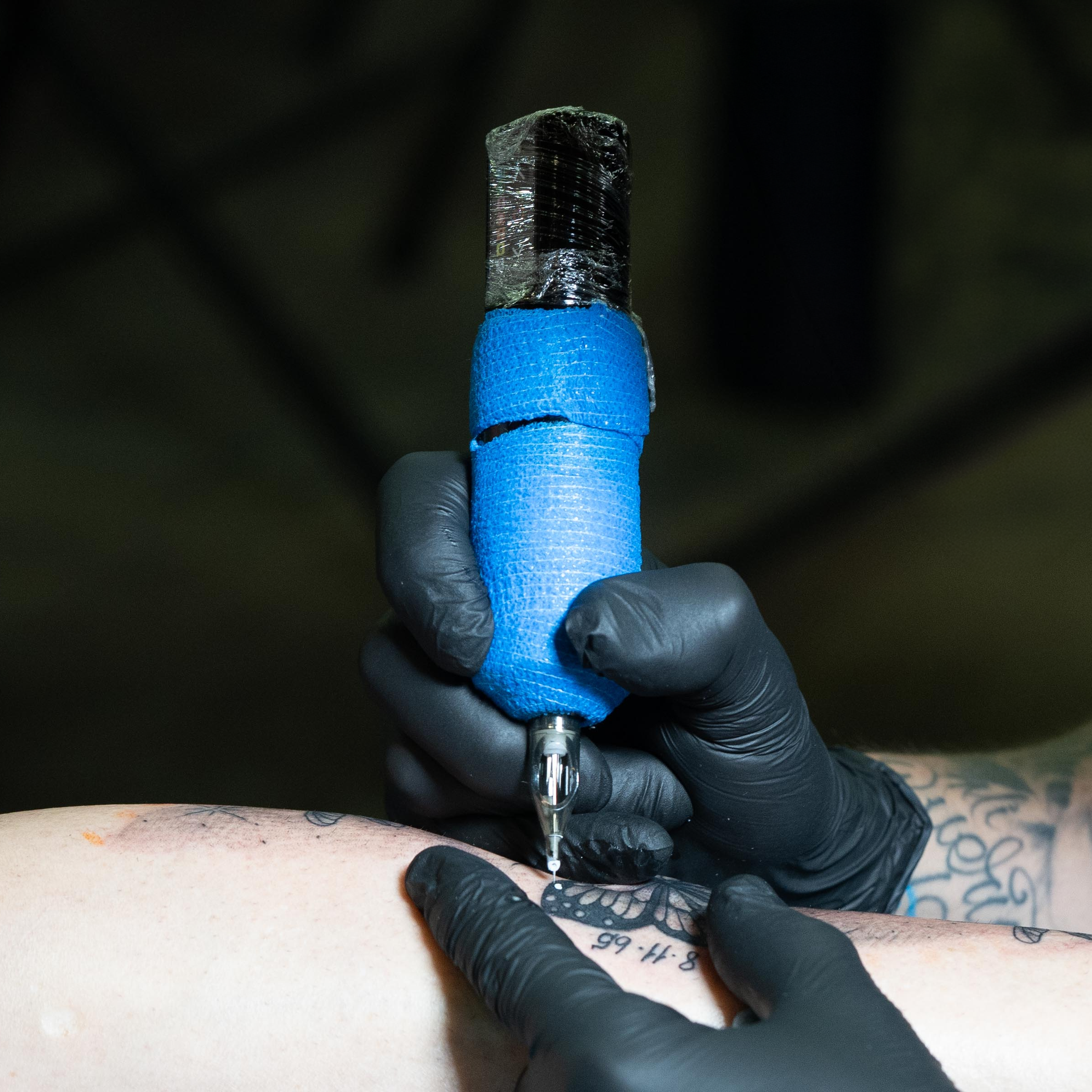
Every modern rotary tattoo machine—whether it's wired or wireless—relies on a small electric motor to convert rotational force into the precise back-and-forth needle movement artists depend on. That sounds simple, but the motor is doing real work thousands of times a minute, session after session. Because of that constant demand, it experiences more wear than almost any other component in the machine. Unlike traditional coil machines, which use electromagnetic coils and springs to drive the needle, rotary machines depend entirely on their motor. Consequently, tattoo machine motor health is a critical factor in long-term performance.
Why Tattoo Machine Motors Fail
No motor lasts forever, but some give out far sooner than they should. Here's what wears them down over time:
- Constant vibration, heat, and mechanical stress: Every pass slowly wears the internal parts. This is normal, but it adds up.
- Long, back-to-back sessions: Overheating speeds up that wear, especially during marathon days.
- Dust and ink contamination: When a motor isn't sealed well, debris works its way inside and shortens its life.
- Drops and impacts: A single hard fall can damage internal parts you can't even see.
- Low-quality components: Cheaper motors are often built with looser manufacturing tolerances and less rigorous quality control. Even tiny inconsistencies in components like bearings and shafts can affect torque, balance, and overall efficiency. The result is excess vibration, inconsistent performance, and accelerated wear—exactly the kind of issues that separate bargain machines from well-built, professional-grade models over time.
This last point matters most for new artists. A budget machine can feel fine for the first few weeks. However, those same machines often degrade fast, and the drop in performance sneaks up on you. A lot of motor damage also traces back to everyday habits, so it's worth knowing the mistakes that break machinesOpens a new window before they cost you a motor.

Common Signs Your Motor Is Failing
A failing motor rarely dies all at once. Instead, it sends small warnings first. Catch them early and you can plan a repair or replacement before it ruins a client's session.
Watch for these signs:
|
Warning sign |
What you'll notice |
|
Loss of power or torque |
The machine struggles to push larger needle groupings |
|
Inconsistent hit |
Uneven performance from one pass to the next |
|
More vibration or noise |
The machine feels rougher or sounds louder than usual |
|
Running hot |
The motor heats up faster than it used to |
|
Voltage creep |
You keep raising the voltage just to get the same result |
|
Sudden shutdowns |
The machine cuts out or runs only part of the time |
If your machine shows a few of these at once, the motor is likely on its way out. That voltage creep is an especially clear tell. When your lines start skippingOpens a new window and you're pushing the power higher just to keep up, your motor is working harder than it should.
Why Motor Quality Matters
A strong motor isn't only about lasting longer. It directly shapes the tattoo you put on skin.
Here's what a quality motor gives you:
- Consistent needle penetration, so every pass lands the same way.
- Stable power delivery, which means cleaner lines and smoother shading.
- Less trauma to the skin, because steady movement is gentler than a motor that stutters.
- Fewer interruptions, so you spend more time tattooing and less time troubleshooting.
A steady motor also means less vibration to fight, which changes how the machine feels in your handOpens a new window over a long session. That reliability adds up to more than better work. Less downtime also means more clients, more finished pieces, and more earning potential over the long run. A motor you can rely on all day, every day, pays for itself.
Brushed vs Brushless Motors
As you shop for machines, you'll likely run into two common motor types: brushed and brushless. Both can produce great tattoos, but they work differently, and they age differently. Here's a quick breakdown.
|
Brushed motors |
Brushless motors |
|
|
How it works |
Small internal carbon brushes transfer the power |
Electronic control replaces the physical brushes |
|
Wear over time |
The brushes slowly wear down with use |
No contact parts to wear out |
|
Heat |
More friction and heat during long use |
Runs cooler |
|
Noise |
Can get louder over time |
Stays quieter and steadier |
|
Lifespan |
Eventually needs service or new brushes |
Longer overall lifespan |
In practice, brushless motors tend to hold their performance longer under heavy, continuous use. That's why high-end wireless machines like the Flux MaxOpens a new window are built around them. Brushed motors, however, are simpler mechanically and can still perform beautifully, especially when they're paired with strong engineering and tight quality control.
Here's the key thing to remember: motor type alone doesn't decide how good a machine is. A well-built brushed machine can outlast and outperform a cheap brushless one. Precision engineering, build quality, and smart system design matter just as much as the motor inside.
Why Artists Choose FK Irons

This is where build quality separates a professional's tools from the rest. The full lineup of FK Irons machinesOpens a new window is designed for daily, demanding use, not the occasional session.
What that looks like in practice:
- Premium engineering instead of commodity parts, so the motor and the machine around it hold up.
- Performance that lasts thousands of hours, with a consistent hit across lining, shading, and color.
- A reputation for durability and reliability, earned in busy shops around the world.
- Strong customer support and real service infrastructure, so you're never stuck when you need help.
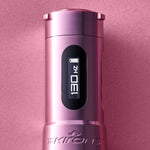
If you're building your first professional setup, that kind of reliability is exactly what lets you focus on your craft instead of your gear. A machine like the FK Irons ONEOpens a new window is made for this stage, giving you steady, dependable power as your skills grow.
The Bottom Line
Your motor decides how your lines land, how your shading flows, and how long your machine keeps up with you. Cheap motors wear out fast and drag your performance down with them. A well-engineered one holds steady through long days and long careers. Learn the warning signs, keep up with regular maintenanceOpens a new window, and invest in a tool built to keep going. Your work, and your clients, will show the difference.